Daylight Savings Puts Deer And Utah Drivers On Collision Course
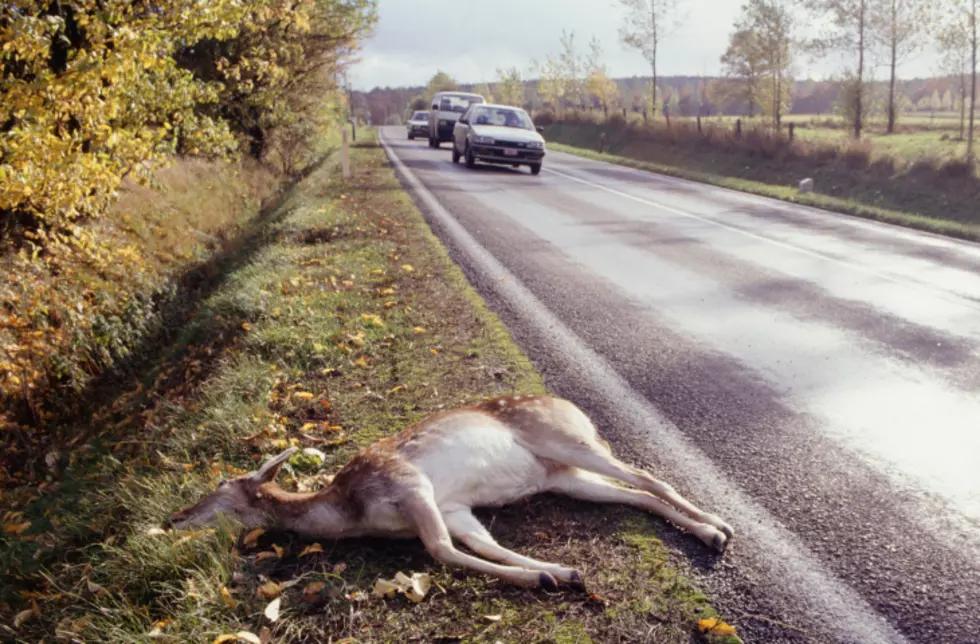
In the fall from late October through November it is the worst time for hitting deer on Utah's highways. There are several factors that increase these collisions at this time, but one could be easily fixed by congress.
Love is in the Air: Mating Season Risks
When snow starts to fall in the mountains and deer move to lower elevations. This annual migration has deer moving across highways. It is also mating season which means the deer are focused on love more than dodging headlights.
There is another factor in these collisions and that is daylight savings time. With the hour change, it puts far more drivers on the road when the sun goes down. Another great reason to end the hour change is to save deer and people's lives.

Nighttime Vulnerability: Understanding Deer Behavior
Part of the reason deer get hit at night is because they are more active during these low light hours. Their eyes are adapted to see in the dark and when a car's headlights hit all those light-sensitive rods, they get overwhelmed and freeze.
I don't know if we will ever see daylight savings go away. This year seemed like the best chance in a long time. Maybe we should let the animals have a say and it will finally get pushed over the top.
Read More: Mussels Invading Utah But Great Lakes Offers Surprising Good News
It is a good reminder to be safe as we drive around for the Holidays. The worst highway where cars and deer meet used to be in eastern Utah on US 191 that runs through Monticello Utah. There is a 15 mile stretch that saw 3 1\2 wrecks per mile every year.
That number has dropped since they installed fencing where deer were most likely to cross. It shows how much we care about cutting down on wildlife accidents. Now if we just dropped the time change, we could do that much better.
The Road Less Travelled? These Are The Dangerous Roads Of Utah
Gallery Credit: Dr. T
More From Star 98


