How One Steel Arch Bridge Finally Connected Utah And Arizona
The Arizona Bridge That Changed Travel From Utah
This is how a single span turned a 500‑mile headache into a breezy canyon-country joyride. Sure it was incredible, sure it was expensive, but in any traveler's handbook it was worth it.
The 500-Mile “Are We There Yet?” Problem
Before 1929, driving from southern Utah into northern Arizona meant embracing the kind of detour that made even the hardiest road‑trippers question their life choices. Picture it: you’re cruising toward the Colorado River, feeling good, only to realize there’s no way across. None. Zip. Your only option was a sprawling, dusty, *why‑is-this-my-life* loop of more than 500 miles just to get to the other side. Canyon country was stunning, sure—but it wasn’t exactly cooperating.
Enter Navajo Bridge: The Canyon Country Game-Changer
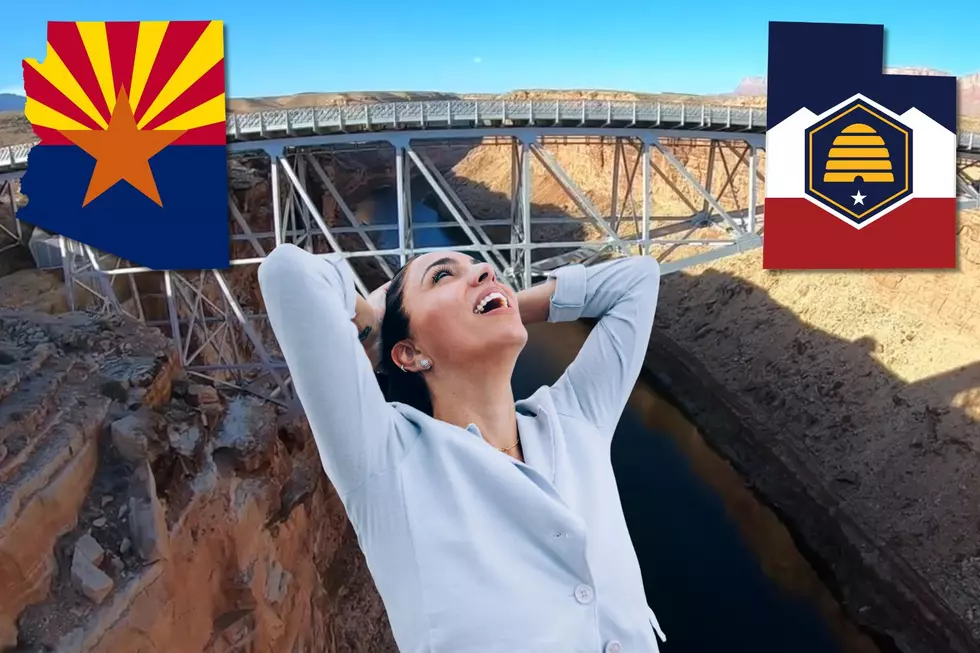
Then came the hero of our story: **Navajo Bridge**, completed in 1929 and celebrated ever since—including in a Library of Congress feature from September 1993. Suddenly, Utah and Arizona were connected by something more practical than hope and a prayer. This elegant steel arch soared over Marble Canyon, giving travelers a direct, drama-free route across the Colorado River.
No ferries. No detours. No existential crises. Just a clean, confident glide from one side of the canyon to the other.
A Road-Trip Revelation
For Utahns heading south—or Arizonans heading north—Navajo Bridge wasn’t just infrastructure. It was liberation. It turned the region from a logistical puzzle into a road‑trip playground. The bridge made spontaneous travel possible, stitched communities together, and opened up the canyon country to everyday adventurers.
Read More: Utah Ranks Second For Summer Road Trips And The Reasons Are Enlightening
Today, it’s still a stunner: a reminder that sometimes the right bridge doesn’t just shorten a route—it reshapes an entire region’s rhythm.
More From Star 98