
Lake Powell Remains Ground Zero For Utah’s Invasive Species Battle
Lake Powell remains at the center of Utah’s ongoing battle against aquatic invasive species, with state and federal agencies working through the Labor Day weekend to keep quagga mussels and other unwanted invaders from spreading to other Utah waters.
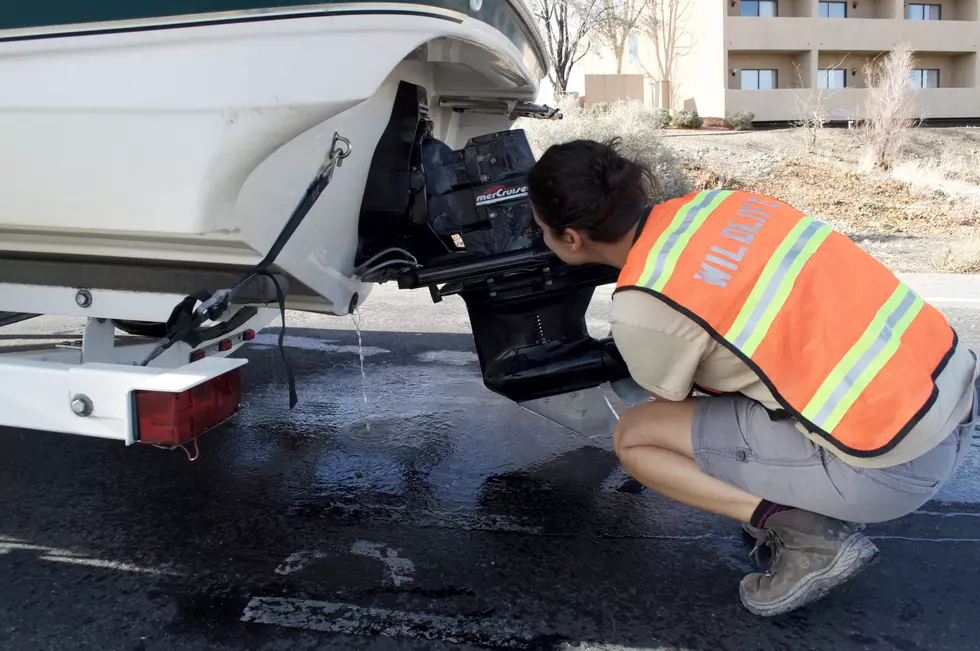
Utah Department of Natural Resources officers, Utah Division of Wildlife Resources technicians and other agency personnel inspected watercraft and performed decontaminations during the busy holiday weekend. Lake Powell, currently the only Utah waterbody known to be infested with quagga mussels, accounted for 440 of the 9,418 boat inspections conducted statewide from Friday through Monday. Forty-four of the 154 statewide decontaminations also took place at inspection stations in the Lake Powell area.
The concern surrounding Lake Powell has increased with the recent detection of fragments of zebra mussel DNA in the Colorado River in Utah for the first time. No live zebra mussels have been detected at this point, but officials are continuing to monitor the situation closely.

The threat isn’t limited to mussels. Eurasian watermilfoil, an invasive aquatic plant that can spread rapidly and form dense mats, is another concern. Even a single piece of the plant transported to a new waterbody can potentially establish a new population.
“It has been a busy boating season, and it’s always fun to see families get on the water and enjoy Utah’s beautiful natural resources,” Utah Department of Natural Resources Law Enforcement Aquatic Invasive Species Statewide Operations Lt. Bruce Johnson said in a press release. “We are thankful for those who take the time to be aware and prepared before hitting the water, because it takes all of us to prevent the spread of aquatic invasive species in Utah.”
Utah has more than 40 inspection stations, along with five dip tanks, including two at Lake Powell — one at the Stateline Launch Ramp at Wahweap Marina and another at Bullfrog Marina.

Quagga mussels can clog water delivery systems, damage boat engines, reduce food available to fish and leave behind sharp shells and foul odors on beaches. Milfoil can similarly damage boats, clog irrigation systems and crowd out native aquatic plants.

For boaters, the message remains simple: inspect, clean, drain and follow Utah’s invasive species requirements before moving a watercraft to another body of water.
Here's What to Plant to Attract Wildlife to Your Garden
Gallery Credit: Kat Mykals


